
Habital restoration
Restoring the Eastern Moors
Why is restoring peatland in the UK important?
In late 2023, giffgaff and MG OMD established the Up To Good Fund, a pioneering new mechanism to embed UK nature recovery into their media campaigns. As a founding partner, giffgaff’s media ecosystem continues to make strides in the recovery of the UK’s ecosystems, most recently focusing on restoring peatland in the Eastern Moors of the Peak District.
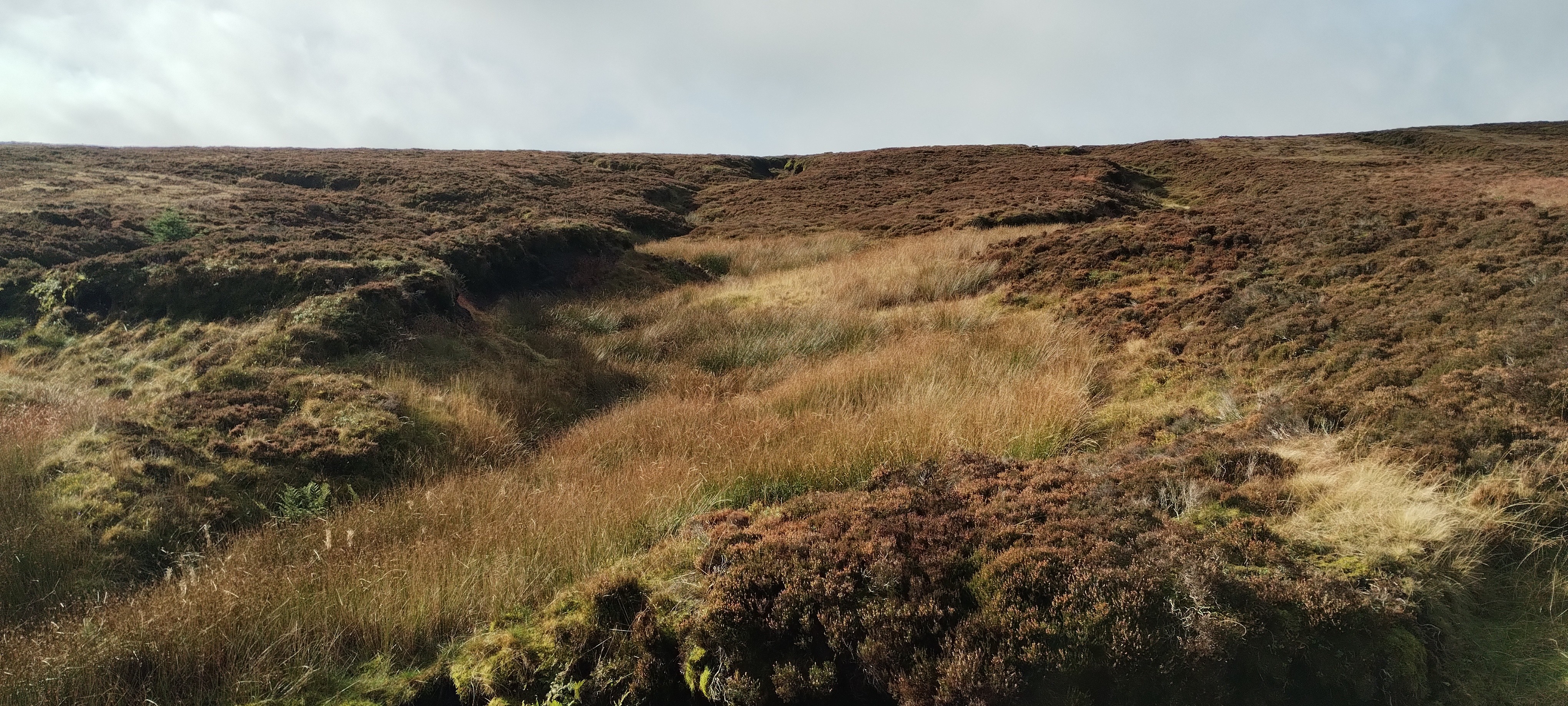
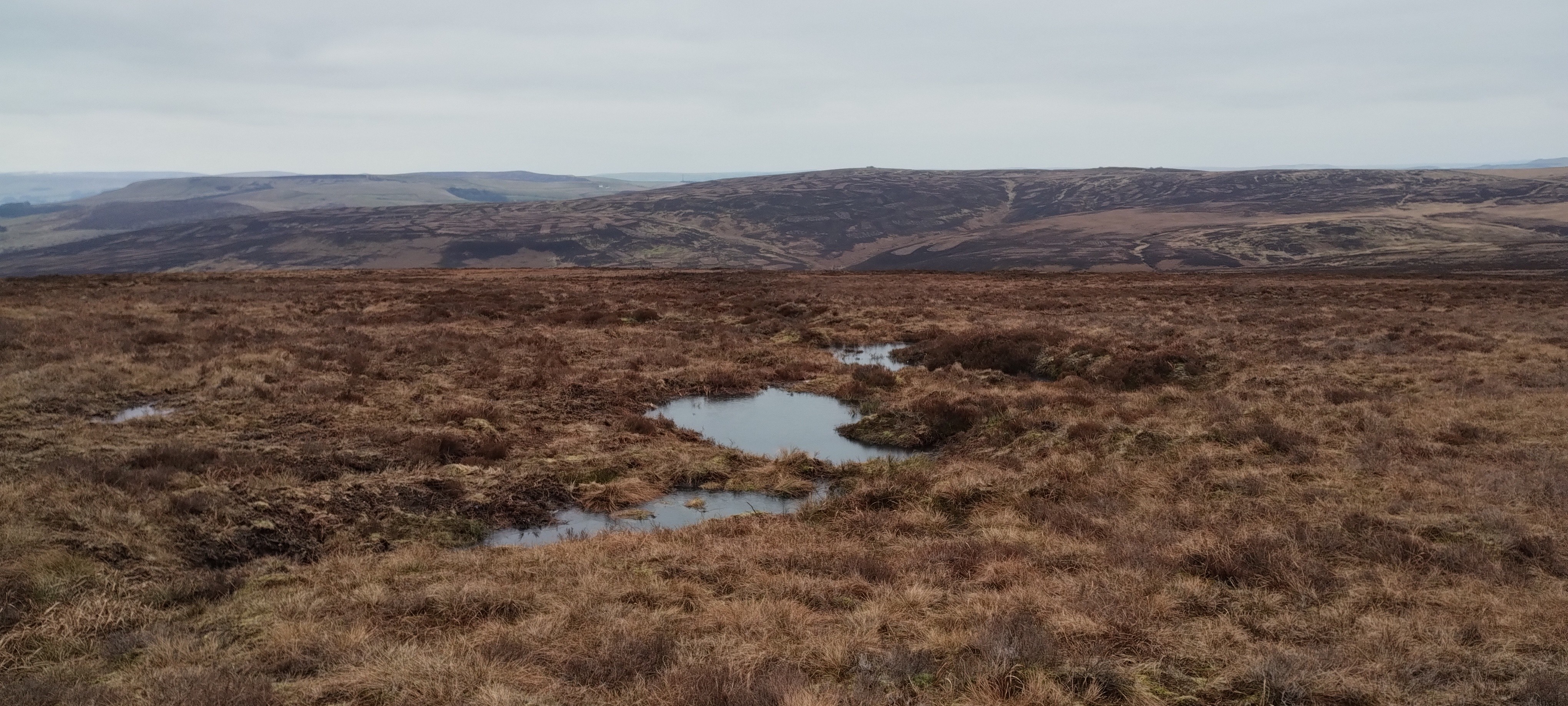
Research published in 2025 found that 8.5% of the UK's surface is made up of peaty soil, but 80% of it is degraded. This means that, instead of capturing and storing carbon, these habitats are actually releasing it into the atmosphere where it is contributing to increasing global temperatures.
While it can become degraded very quickly, peat forms very slowly, accumulating on average only 1mm per year. The key component of peat is sphagnum moss, which spreads across the ground and biodegrades very slowly under waterlogged conditions. Sphagnum moss can hold up to 20 times its weight in water. This ability helps to hold water on the moors during wet months of the year, preventing flooding downstream.
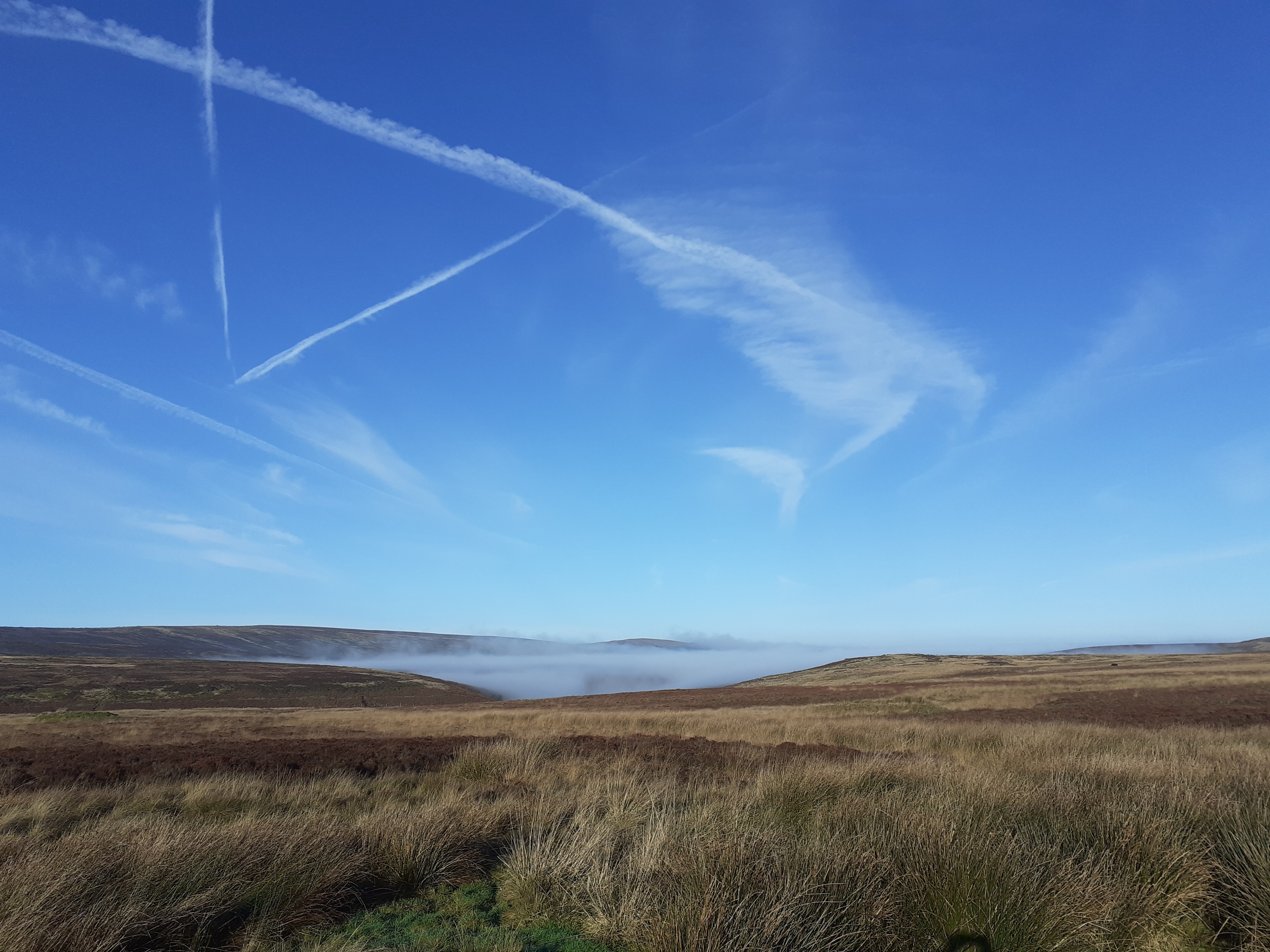
The Eastern Moors are situated in the Peak District, just to the west of Sheffield. Being so close to an urban area, the benefits of restoring peatland here are many and varied.
Flood protection protects homes and businesses - Research has found that re-vegetating blanket bogs and blocking gullies can slow the flow of water produced in storms and times of high rainfall, increasing lag times by 65% and reducing peak discharge in large storms by around 680%!
Wildfire resilience - Since sphagnum holds up to twenty times its weight in water, it remains damp even in dry weather, so its presence improves the overall resilience to fires, both helping to limit the spread, and reducing the effects, including reducing air pollution from smoke in nearby towns and cities.
Cleaner drinking water - Degraded peat gets washed into water running off the moors and into drinking water systems, meaning the water can be brown in colour, be more acidic, and can contain heavy metals dumped on the moors during the industrial revolution. This means more has to be done to clean the water before it reaches our taps. By conserving blanket bog, we are tackling water issues directly at the source. We’re allowing nature to improve the quality of raw water leaving the moor, reducing costs and water bills.
Supporting biodiversity - Planting sphagnum helps create diverse, better functioning bogs leading to better habitat for moorland specialists like short-eared owl and merlin. In spring, dunlin, curlew and golden plover nest and raise their young, feeding on insects and other invertebrates found in the boggy peat. Specialist moorland insects include the bilberry bumblebee and the green hairstreak butterfly. This makes the moors an even more exciting place for local people to interact with nature.


How do we rate this project?
This project contributes towards several important SDGs, bringing benefits to local people and nature, as well as the climate.
Healthy peatlands help provide clean, high-quality drinking water, ensuring safer water supplies for communities. By regulating water flow and reducing flood risk, restored peatlands also help protect homes and infrastructure. Cleaner air, reduced wildfire risk, and increased biodiversity further support healthier living environments for local citizens.
These landscapes are vital source catchments for drinking water, supplying over a quarter of the UK’s fresh water. Healthy peatlands act as natural filters, improving water quality by reducing the amount of sediment and dissolved organic carbon entering watercourses. By restoring sphagnum moss and improving bog condition, the project helps to regulate water flows.

Local volunteers are involved in the project throughout its delivery.

Restored blanket bogs are more resilient to climate change, reducing emissions, and sequester carbon when in good condition.
Restoring blanket bogs halts degradation and increases biodiversity. As the ecosystem recovers, biodiversity increases, soil health improves, and the land becomes more resilient to environmental pressures, ensuring the long-term protection and sustainable use of terrestrial ecosystems.
About
Live
2026
Peatland restoration
3
6
8
13
15
Impact partner

Moors for the Future Partnership was founded in 2003 with a single Heritage Lottery Fund project. They deliver a landscape scale programme of blanket bog restoration across the Peak District and South Pennine moors. They have transformed over 35 sq km of degraded peat, the most degraded landscape in Europe.